Table Of Contents
Geographic Origin of Boujad Rugs
The Boujad rugs come from a region in central Morocco, specifically the town of Boujad which lies between the cities of Fez and Marrakech. This area is known for its rich traditions and deep-rooted artisanal practices. The vibrant landscapes and diverse cultural influences of the Boujad region significantly shape the patterns and techniques used in rug-making. Local Berber tribes have perfected the art of weaving, passing down skills through generations, contributing to the uniqueness of each piece.
Part of the beauty of Boujad rugs stems from their geographical context. The region's varying altitudes and climates have influenced the materials and dyes used, resulting in distinctive textiles that reflect the natural surroundings. Boujad's proximity to important historical trade routes has also facilitated a blend of cultural elements, allowing weavers to experiment with styles and motifs that tell stories of their heritage. Each rug acts as a canvas, showcasing the identity and history of its makers.
Navigate to this website to learn more.
Cultural Influences from Boujad Region
The Boujad region, nestled in the heart of Morocco, serves as a melting pot of various cultural influences. Its strategic location has made it a crossroads for Berber, Arab, and Jewish traditions. This rich tapestry of heritage is evident in the craftsmanship of Boujad rugs, which often incorporate motifs and designs reflective of these diverse cultural narratives. Artisans draw inspiration from their surroundings, blending local folklore and historical elements into their creations.
Symbols and designs used in Boujad rugs frequently resonate with the region’s agricultural lifestyle and natural environment. Geometric patterns and organic shapes capture the essence of the land, while vibrant colors depict local flora and fauna. Many rugs also include symbols believed to bring protection or prosperity, rooted deeply in the community's collective memory and beliefs. This intertwining of culture and artistry results in rugs that are not just decorative items but also storytellers of the Boujad region's rich heritage.
Color Palette in Beni Ourain Rugs
Beni Ourain rugs are well-known for their earthy tones, primarily featuring shades of cream and white. The use of natural wool contributes to this muted palette, allowing for a soft, organic appearance that resonates with their rustic origins. This simplicity is both elegant and understated, appealing to those who appreciate minimalist design. Through the coarse texture of the wool, these rugs embody a sense of warmth that invites touch and interaction.
Typically, Beni Ourain rugs showcase geometric designs and tribal motifs, which contrast beautifully against their light backgrounds. The patterns may include lozenges or diamonds, often rendered in deep brown or black hues. Each design element carries cultural significance and reflects the craftsmanship of the Berber tribes. Despite their simplicity, the interplay of color and pattern creates a striking visual impact, making them versatile pieces in various decorative settings.
Typical Color Schemes and Patterns
Beni Ourain rugs are known for their simplicity and often feature a monochromatic palette, predominantly showcasing cream, white, and black. Geometric patterns dominate their design, emphasizing diamonds and zigzags that create a striking yet understated aesthetic. These patterns not only reflect traditional Berber artistry but also serve a functional purpose, as the designs are meant to provide warmth and comfort in the colder mountainous regions of Morocco.
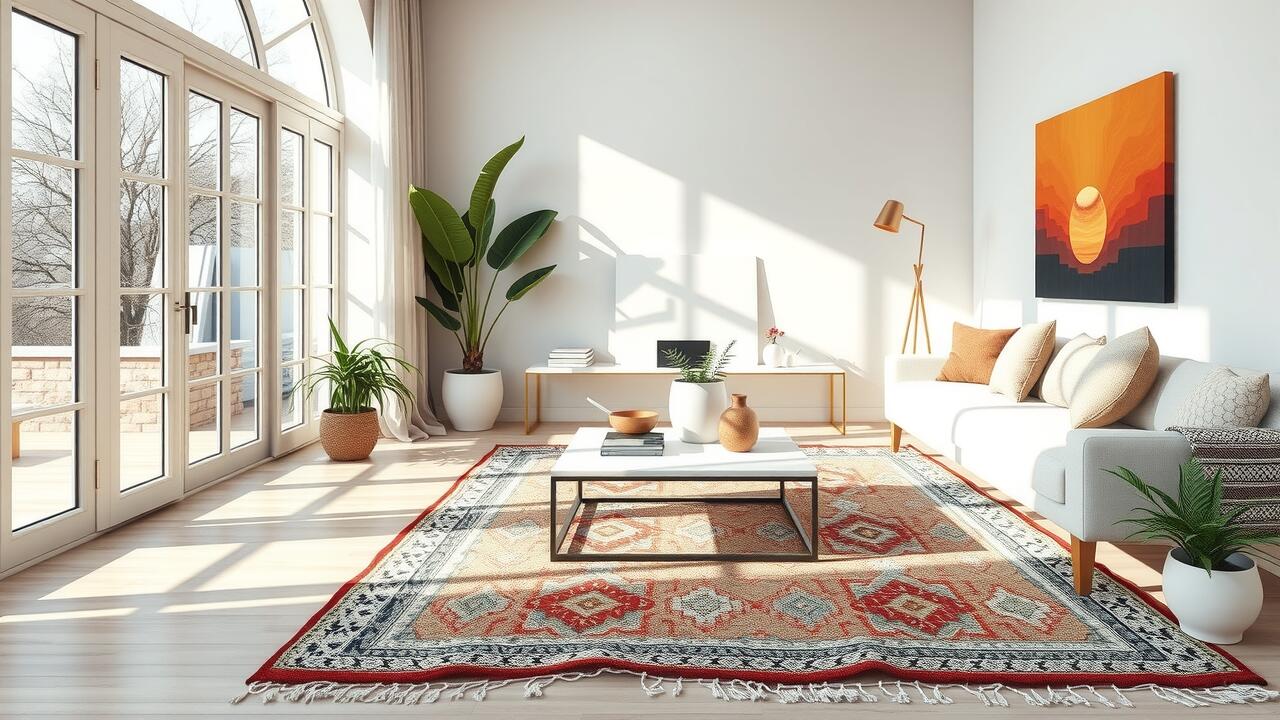
In contrast, Boujad rugs exhibit a more vibrant and eclectic color scheme. Rich hues such as deep reds, blues, and yellows are commonly used, often combined in intricate floral motifs or abstract shapes. The designs may vary significantly from one piece to another, emphasizing individuality and personal expression. This diversity in patterns and colors captures the lively spirit of the Boujad region, infusing each rug with a sense of personality and cultural narrative.
Color Palette in Boujad Rugs
Boujad rugs are renowned for their vibrant color palettes, often reflecting the natural surroundings and cultural heritage of the region. The rich hues typically include deep reds, warm oranges, and earthy browns, capturing the warmth of the Moroccan landscape. Additionally, shades of blue and green also find their way into these rugs, representing the influence of Moroccan artistry and historical trade routes.
Symbolic meanings often accompany the colors used in Boujad designs, where specific shades can convey messages related to fertility, protection, or luck. Artisans skillfully blend colors to create visual harmonies, leading to unique and personal designs that tell stories. The interplay of color not only enhances the aesthetic appeal but also deepens cultural significance, grounding each piece in the history and traditions of the Boujad region.
Common Colors and Symbolic Meanings
Boujad rugs are known for their vibrant and diverse color palettes, which often reflect the rich cultural heritage of the region. Common colors include deep reds, warm oranges, earthy browns, and lush greens. These hues are not merely decorative; they carry deep symbolic meanings that resonate with the local traditions and beliefs. For example, red may signify strength and power, while green often represents fertility and growth.
The patterns found in Boujad rugs frequently incorporate these colors in playful and dynamic ways. Each rug tells a story through its design, with colors chosen not just for aesthetic appeal but also for the emotions and themes they convey. As a result, these rugs serve not only as decorative pieces but also as a canvas for cultural expression, making them a cherished aspect of Moroccan heritage.
FAQS
What are Beni Ourain rugs?
Beni Ourain rugs are traditional Moroccan carpets made by the Berber tribes of the Atlas Mountains, characterized by their thick, plush wool and geometric patterns, often featuring a cream or white background.
What are Boujad rugs?
Boujad rugs originate from the Boujad region in Morocco and are known for their vibrant colors and intricate designs, which often incorporate a mix of geometric and abstract motifs reflecting cultural influences from the area.
How do the color palettes differ between Beni Ourain and Boujad rugs?
Beni Ourain rugs typically feature a more neutral color palette with whites and creams, while Boujad rugs are known for their rich, bold colors, including reds, blues, and yellows, often with symbolic meanings.
What cultural influences are reflected in Boujad rugs?
Boujad rugs are influenced by the diverse cultural heritage of the region, including Berber, Arab, and even Jewish traditions, which is evident in their patterns and color choices.
Are Beni Ourain rugs more expensive than Boujad rugs?
Generally, Beni Ourain rugs can be more expensive due to their high-quality materials and craftsmanship, but prices can vary based on factors like size, age, and condition for both types of rugs.