Table Of Contents
The Role of Moroccan Rugs in Decor
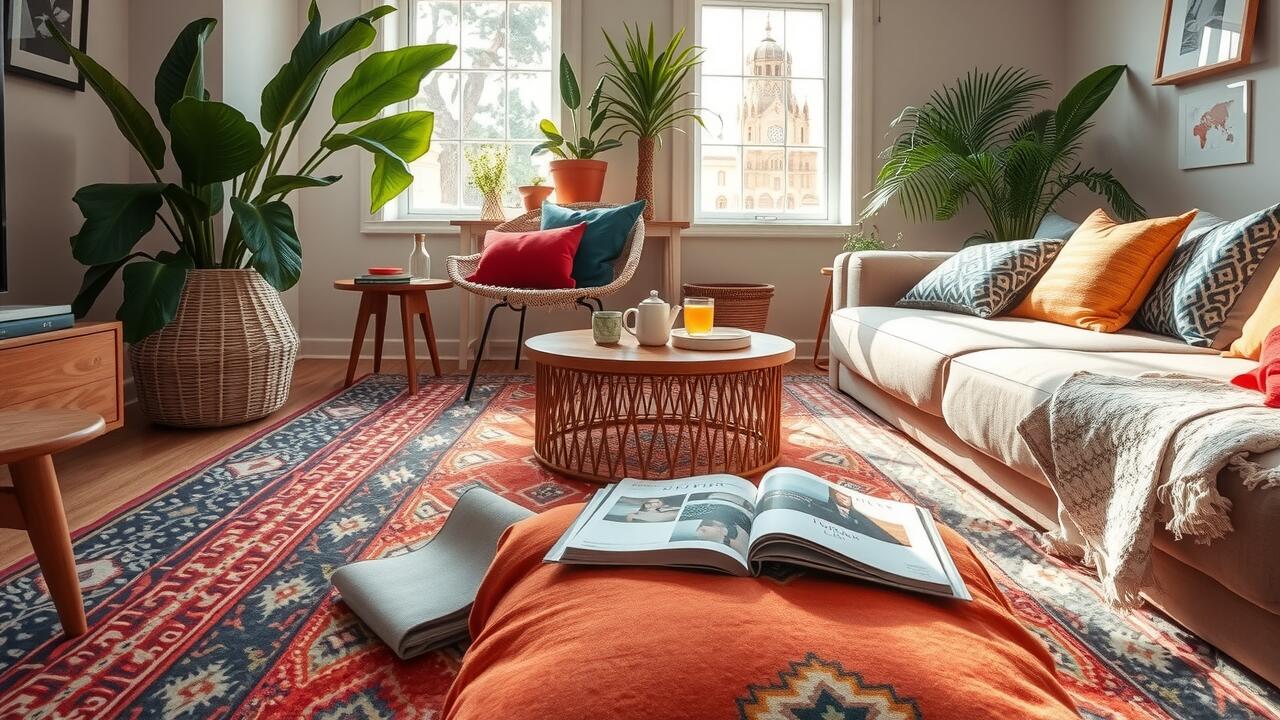
Moroccan rugs play a significant role in enhancing interior spaces, providing warmth and texture to various environments. Their rich colors and intricate patterns capture the essence of Berber culture, making them not just decor items but also pieces of art. When placed in living rooms, bedrooms, or even entryways, these rugs create a focal point and bring a sense of coziness to any setting. The unique craftsmanship often tells a story, reflecting the history and traditions of the weaver's community.
In addition to aesthetics, Moroccan rugs offer versatility that suits various design styles. They can complement rustic, modern, or eclectic themes seamlessly. The presence of these rugs fosters a sense of authenticity in decor, adding character and a touch of global influence. Whether layered over hardwood floors or used as standalone pieces, Moroccan rugs contribute to a layered and inviting ambiance that resonates with warmth and cultural richness.
Have a peek at this blog for further readings.
Enhancing Home Aesthetics
Moroccan rugs serve as more than just functional items; they are vibrant pieces of art that can transform a space. Their intricate patterns and rich colors draw the eye, creating focal points in living rooms, bedrooms, or hallways. With designs that range from bold geometric shapes to delicate floral patterns, these rugs can complement various interior styles, from bohemian to contemporary. The unique textures provide an inviting warmth, enhancing the comfort of any room.
Incorporating a Moroccan rug into your decor can also foster a sense of cultural connection. Each piece carries a story, reflecting the heritage and craftsmanship of its creator. Displaying such a rug adds depth and character to the decor. Moreover, the ability to layer these rugs with other textiles can create a dynamic visual effect. This versatility makes them an excellent choice for those looking to express their personal style while enriching their home environment.
How to Identify Authentic Moroccan Rugs
Authentic Moroccan rugs often boast unique handwoven patterns that reflect the rich cultural heritage of the regions they originate from. These designs typically include geometric shapes, tribal motifs, and vibrant colors. When examining a rug, pay attention to its weaving technique and material; genuine pieces are usually crafted from natural fibers like wool and cotton, showcasing a softness that mass-produced alternatives often lack. A closely woven texture indicates quality craftsmanship, while irregularities in pattern and color variation can signal authenticity, highlighting the artisanal nature of the work.
Investigating the provenance of the rug can also lend insight into its authenticity. Purchase rugs from reputable dealers who provide background information about the artisans and regions of origin. Look for tags or labels that specify the rug's origin, as well as documentation of ethical sourcing practices. Additionally, consider the price point; while authentic Moroccan rugs may be an investment, extremely low prices may indicate a lack of authenticity or poor craftsmanship. Being informed about these aspects will help ensure that any rug you choose embodies the true essence of Moroccan artistry.
Key Features to Look For
When examining Moroccan rugs, the first thing to notice is the unique patterns that reflect the diverse cultures and traditions of the region. Each rug often features geometric designs, bold colors, and intricate motifs that tell a story or convey the artist's vision. These patterns can vary widely depending on the specific tribe or area, highlighting the rich history and craftsmanship involved in their creation.
Another essential aspect to consider is the material used in the rug's construction. Traditional Moroccan rugs are typically made from high-quality wool, which provides both durability and comfort. Many artisans also incorporate natural dyes, enhancing the vibrancy and uniqueness of each piece. The texture and craftsmanship should feel inviting and well-made, indicating the care and skill that went into producing the rug.
Caring for Your Moroccan Rug
Proper care is essential to maintain the beauty and longevity of Moroccan rugs. Regular vacuuming helps prevent dirt accumulation while protecting the fibers. It is advisable to use a vacuum with a brush attachment, as this can effectively lift debris without damaging the rug. In case of spills, immediate action is necessary. Blotting the stain gently with a clean, dry cloth is the best approach. Avoid rubbing, as this can cause the stain to set further into the fibers.
When it comes to deeper cleaning, professional cleaning services that specialize in area rugs can be beneficial. These services often use techniques that are safe for the unique materials and construction methods used in Moroccan rugs. If opting for DIY cleaning, a mild detergent mixed with water can be used. Always test any cleaning solution on a small, inconspicuous area first to prevent discoloration. Keeping the rug out of direct sunlight will help prevent fading and ensure its vibrant colors last longer.
Maintenance Tips and Best Practices
Regular vacuuming helps maintain the appearance of a Moroccan rug by removing dirt and debris. Use a vacuum cleaner without a beater brush to protect the fibers. For a deeper clean, consider bringing the rug outside and shaking it gently. This method helps dislodge trapped particles without causing damage. If spills occur, blot the area immediately with a clean cloth to absorb the liquid. Avoid rubbing, as this can spread the stain.
Protecting the rug from direct sunlight can prevent fading over time. Using a rug pad underneath can provide cushioning and prevent slipping, which is particularly important in high-traffic areas. When it comes to washing, consult professional cleaners familiar with the specific materials used in your rug. Schedule routine check-ups to ensure its longevity and maintain its beauty.
FAQS
What are Moroccan rugs commonly referred to as?
Moroccan rugs are commonly referred to as "Berber rugs" due to their association with the Berber tribes of North Africa.
What materials are typically used in traditional Moroccan rugs?
Traditional Moroccan rugs are commonly made from wool, which provides durability and warmth, but they can also be crafted from cotton and silk.
How can I tell if a Moroccan rug is authentic?
Authentic Moroccan rugs often feature unique patterns, irregularities, and natural dyes. They are handwoven and may show variations in color and design.
Are Moroccan rugs suitable for all types of decor?
Yes, Moroccan rugs can enhance a variety of decor styles, from bohemian and eclectic to modern and minimalist, adding warmth and character to any space.
What are some maintenance tips for keeping a Moroccan rug in good condition?
To maintain a Moroccan rug, it's essential to vacuum regularly, spot clean stains immediately, and avoid excessive exposure to sunlight to prevent fading. Professional cleaning is also recommended periodically.