Table Of Contents
Unique Patterns Found in Moroccan Rugs
Moroccan rugs are renowned for their vibrant colors and intricate designs that reflect the diverse cultural heritage of the region. From Berber tribes to urban artisans, these weavings often feature unique motifs inspired by the natural surroundings, daily life, and ancient traditions. The interplay of colors and patterns tells a story, showcasing the creativity and skill of the artisans who create them. Each rug is a testament to the rich tapestry of Moroccan identity, blending the traditional with the contemporary.
The array of patterns found in Moroccan rugs, such as chevrons, diamonds, and intricate floral arrangements, adds a distinctive character to any space. Geometric designs dominate, often connected to mathematical principles or symbolic meanings. Patterns might also incorporate subtle variations in color and texture, enhancing the three-dimensional quality of the rugs. This artistic approach ensures that each piece is not just a functional item but a work of art, capable of transforming living spaces while honoring centuries-old traditions.
Find out further details by clicking here.
The Art of Geometric Designs
Geometric designs stand as one of the most striking features in Moroccan rugs, reflecting a deep-rooted cultural significance. These patterns often include intricate shapes such as diamonds, triangles, and hexagons. They are meticulously woven, showcasing the craftsmanship of Moroccan artisans. The symmetry and repetition in these patterns not only create visual harmony but also symbolize balance and order within the chaos of everyday life.
The appeal of these designs extends beyond their aesthetic value. Many geometric patterns are infused with meaning, often linked to traditional beliefs and local stories. Some shapes are believed to ward off bad spirits, while others represent nature and fertility. Such symbolism enriches each piece, transforming rugs into narratives that convey the history and traditions of the Berber people. This intersection of art and meaning makes geometric designs a captivating aspect of Moroccan rug culture.
Traditional Berber Patterns
Moroccan rugs feature a rich tapestry of traditional Berber patterns that reflect the cultural heritage of the Amazigh people. Each rug tells a story through its intricate designs, often symbolizing various aspects of daily life, spirituality, and ancestral traditions. Common elements include diamonds, zigzags, and other geometric shapes that are woven into the fabric. These motifs are not merely decorative; they carry significant meanings, often representing fertility, protection, and the relationship with nature.
The vibrant colors used in these patterns are derived from natural dyes, adding to their authenticity and connection to the land. Reds, blues, yellows, and earth tones bring the designs to life, creating a warm and inviting ambiance in any space. Artisans often employ different weaving techniques that enhance the texture and depth of the rugs, showcasing their craftsmanship and attention to detail. Each piece embodies a sense of community and heritage, serving not only as a functional item but also as a work of art that links the present to the past.
Storytelling Through Weaving Techniques
Every knot and design in a Moroccan rug tells a story, with each piece serving as a canvas for the weaver's heritage and experiences. Traditional techniques passed down through generations enable artisans to embed their personal narratives and the history of their community into the fabric. Patterns often symbolize significant moments or cultural beliefs, transforming each rug into a tangible representation of identity. The colors chosen reflect the natural surroundings, evoking landscapes and elements intrinsic to the lives of the weavers.
In various regions of Morocco, distinct weaving styles emerge, illustrating local customs and storytelling methods. Berber women, in particular, utilize their crafts to narrate tales of their ancestors, beliefs, and social commentary. Each rug can be seen as a communal effort, where the collaboration of technique and style represents shared experiences. This connection to storytelling enhances the appreciation of Moroccan rugs, elevating them from simple decor to valuable narratives steeped in tradition.
Contemporary Takes on Moroccan Styles
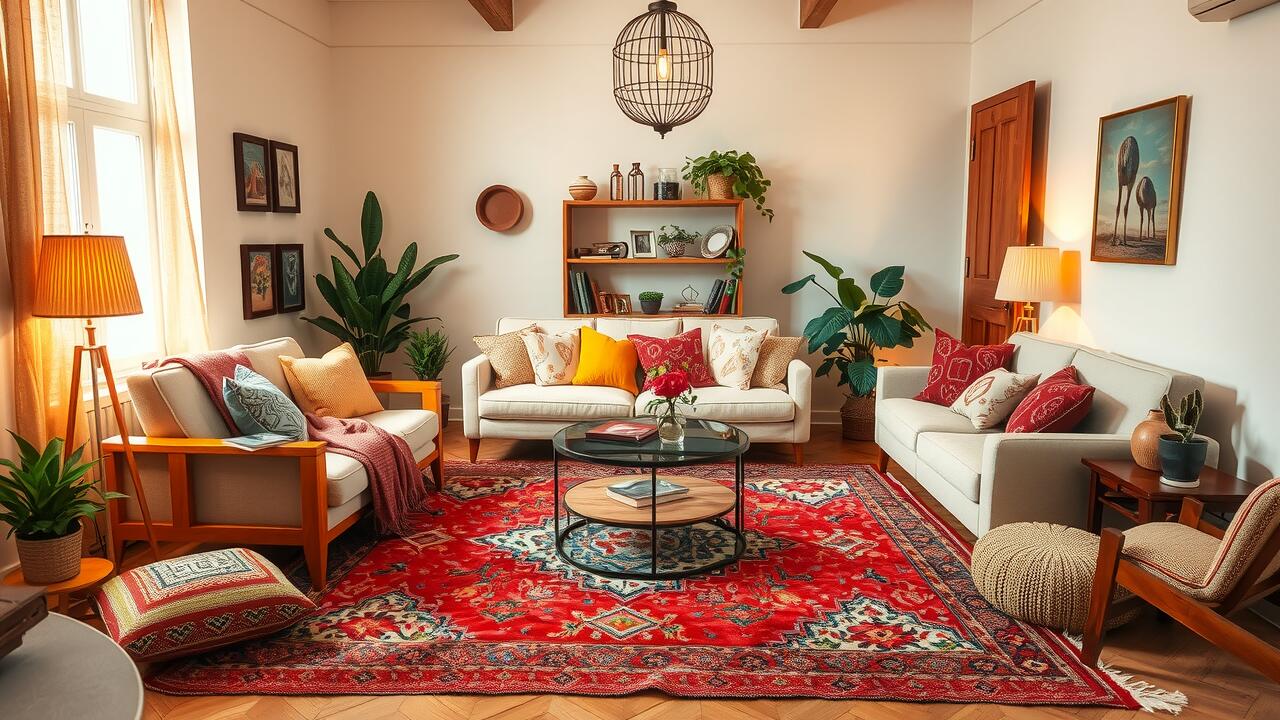
While traditional Moroccan rugs are steeped in history, contemporary iterations maintain that rich heritage while embracing modern aesthetics. Designers experiment with bold color palettes, incorporating vibrant hues that resonate with today's trends. These rugs often feature simplified patterns that reflect the essence of traditional designs, making them versatile enough for various interior styles. The juxtaposition of contemporary elements with classic motifs creates striking pieces that appeal to a broad audience.
Several designers are now infusing their personal narratives into these modern interpretations. By using sustainable materials and innovative weaving techniques, they not only pay homage to Moroccan craftsmanship but also address current environmental concerns. This fusion of old and new allows for a creative dialogue between cultures, making each rug a unique statement piece that invites conversation and appreciation. The result is a collection of works that honors tradition while also celebrating individuality and modern life.
How Modern Designers Adapt Classic Elements
Many contemporary designers find inspiration in the intricate details of traditional Moroccan rugs. They often take classic motifs, such as geometric shapes and vibrant colors, and reinterpret them within modern aesthetics. This fusion creates a unique blend that appeals to a broader audience. Textures and materials are also updated to meet current trends, providing a fresh take while respecting the original craftsmanship.
Collaboration between artisanal techniques and modern design philosophies results in versatile pieces suitable for various interior styles. Designers seamlessly incorporate traditional patterns into contemporary home decor, enhancing livability without sacrificing cultural significance. By doing so, they create rugs that not only serve as statement pieces but also carry stories of their heritage. The balance struck between old and new showcases how heritage can evolve while remaining relevant in today’s market.
FAQS
What are the most common colors found in Moroccan rugs?
The most common colors in Moroccan rugs include vibrant hues such as deep reds, rich blues, earthy browns, and soft creams. These colors often reflect the natural landscape and cultural influences of Morocco.
What makes geometric designs special in Moroccan rugs?
Geometric designs in Moroccan rugs are unique due to their intricate patterns and symmetry, which are often used to convey cultural significance and traditional beliefs. Each design can tell a story or represent a particular aspect of Berber life.
How do traditional Berber patterns differ from contemporary designs?
Traditional Berber patterns are often handwoven with historical significance, showcasing culturally relevant symbols and motifs. In contrast, contemporary designs adapt these elements into more modern aesthetics, focusing on minimalism and abstract interpretations.
Can you explain the storytelling aspect of Moroccan rug weaving?
Storytelling through weaving in Moroccan rugs involves conveying personal or communal narratives through specific patterns and colors. Each rug can represent the weaver's experiences, heritage, and the stories of their family, making each piece unique.
How can I integrate Moroccan rugs into modern home decor?
You can integrate Moroccan rugs into modern home decor by choosing pieces that complement your existing color scheme and furniture style. Consider using bold patterns as statement pieces in neutral rooms or layering smaller rugs with contemporary designs for a more eclectic look.