Table Of Contents
Maintenance Tips for Moroccan Rugs
Moroccan rugs are prized for their artistry and durability, yet they require specific care to maintain their vibrancy and longevity. Regular vacuuming is essential to remove dirt and debris that can accumulate in the fibers. For deeper cleans, gentle hand washing using mild soap and water will help rejuvenate their appearance without damaging the intricate patterns. Avoiding harsh chemicals and opting for natural cleaning products will keep the dyes intact.
When it comes to stains, tackling them promptly is crucial. Blotting spills with a clean cloth prevents them from setting, while using a cloth dampened with water or a mild soap can help lift stubborn marks. Rotating the rug periodically ensures even wear, especially in high-traffic areas. Sunlight can fade colors over time, so placing the rug in shaded areas or using UV-protective treatments can prolong its life.
Have a peek at this blog for further readings.
Keeping Your Rug Fresh and Vibrant
To maintain the vibrancy of your Moroccan rug, regular cleaning is essential. Vacuuming weekly can help remove dirt and debris that accumulates, especially in coastal areas where sand may be a concern. For spills, immediate attention is crucial. Blot the area gently with a clean cloth instead of rubbing, which could damage the fibers. This proactive approach ensures that stains do not set in and the colors remain true to their original brilliance.
Utilizing natural remedies can further enhance your rug's freshness. A mixture of mild soap and water can effectively clean without harming the material. Avoid harsh chemicals that may cause fading or damage. Rotating the rug periodically helps to prevent uneven wear, particularly in high-traffic areas. By adhering to these care practices, you can preserve the beauty and longevity of your Moroccan rug while enhancing the overall aesthetic of your coastal interior.
Sourcing Authentic Moroccan Rugs
The journey to finding authentic Moroccan rugs begins with understanding the different regions and styles that define these beautiful textiles. Each area in Morocco has its distinct weaving traditions, colors, and motifs. The Beni Ourain rugs, known for their soft wool and simplistic black-and-white patterns, contrast with the vibrant, geometric designs of Azilal rugs. Familiarizing oneself with these variations not only enhances appreciation but also aids in identifying genuine pieces.
Shopping from reputable sources is essential to ensure the authenticity of Moroccan rugs. Artisan cooperatives and established vendors often provide verifiable histories for their products. Visiting local markets in Morocco can also yield treasures directly from the weavers. For those unable to travel, online platforms that specialize in handcrafted items offer curated selections, ensuring quality and authenticity through partnerships with trusted artisans.
Where to Find Quality Selections
Exploring local artisans and markets is a fantastic way to discover authentic Moroccan rugs. Many towns have shops specializing in handwoven textiles, allowing shoppers to connect directly with the craftsmen. This personal interaction often enhances the value of the purchase, enabling buyers to learn about the stories and techniques behind each piece. When visiting these shops, look for rugs with natural dyes and unique patterns, as they reflect the rich cultural heritage of Morocco.
Online platforms also provide a convenient route for sourcing quality rugs. Numerous retailers curate collections from reputable Moroccan outlets, ensuring the authenticity of their offerings. Customer reviews can guide buyers in making informed decisions. Additionally, platforms that highlight the artisans’ backgrounds enhance transparency and give buyers a sense of connection. Thoroughly checking return policies can help ensure satisfaction with the selection.
Incorporating Moroccan Rugs with Other Textiles
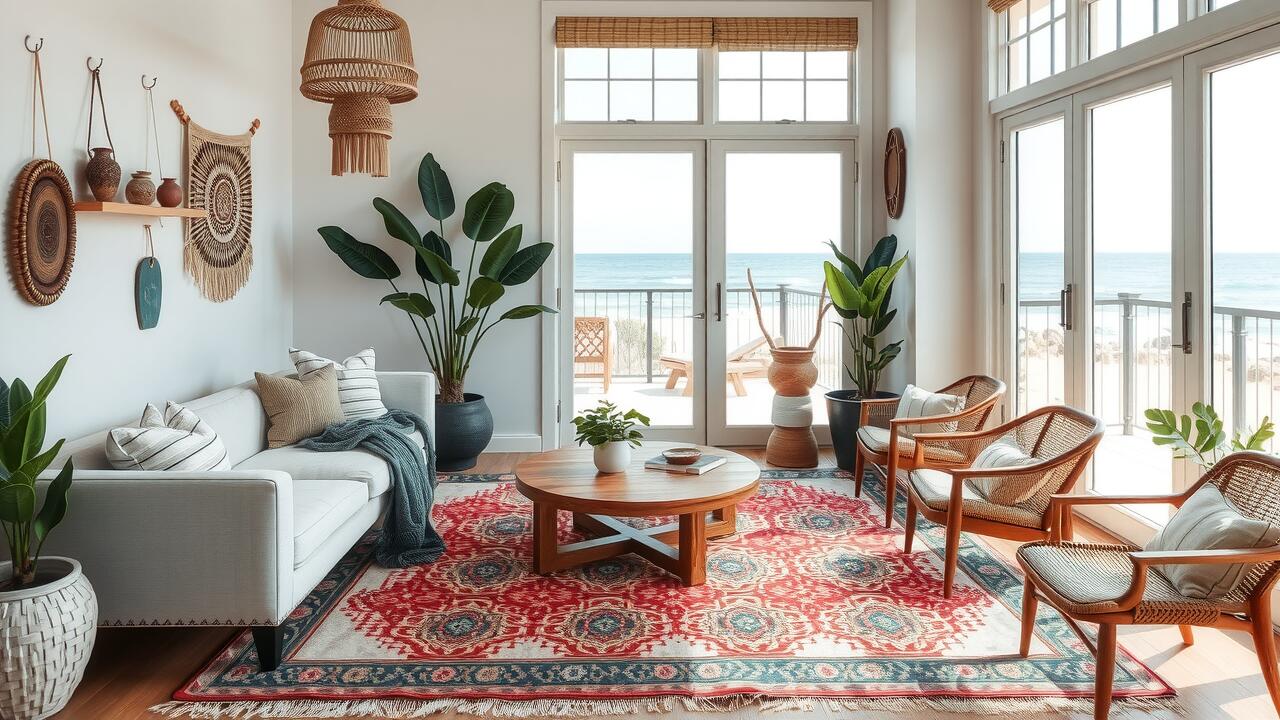
Moroccan rugs inherently possess unique patterns and colors that enable them to complement various textiles seamlessly. When incorporating these rugs into coastal interiors, consider pairing them with lighter, airy fabrics such as linen or cotton. The contrast between the rich textures of a Moroccan rug and the softness of these natural materials creates a balanced aesthetic. Throw pillows or lightweight blankets featuring complementary colors can enhance the overall theme, bridging the gap between the bold designs of the rug and the surrounding decor.
Additionally, layering can introduce depth and warmth to a space. Place a Moroccan rug atop a jute or sisal mat for an organic feel that ties together natural elements frequently found in coastal homes. Mixing patterns can also be an effective approach; select textiles that echo the colors in the rug while varying shapes and motifs to maintain visual interest. Natural fibers, such as wool and cotton, work well together, maintaining a cohesive atmosphere that beckons relaxation and comfort.
Combining Different Styles Harmoniously
Moroccan rugs can serve as a striking centerpiece in a coastal interior, enhancing the overall aesthetic with their bold patterns and rich colors. When incorporating these rugs, opt for textiles that resonate with the coastal theme, such as light linens or airy cottons. The texture contrast between a plush rug and smooth textiles can create a visually appealing space. Additionally, incorporating shades of blue or sandy tones in surrounding fabrics can establish a cohesive look that ties the room together.
Layering is another effective technique for blending styles. Use Moroccan rugs under furniture to provide a grounded feel while juxtaposing them with contemporary decor elements. This approach allows for an eclectic mix that celebrates both traditional craftsmanship and modern design aesthetics. Experiment with different prints and materials, ensuring that each piece complements the vibrancy of the rug while contributing to the soothing atmosphere typical of coastal interiors.
FAQS
What are the key features of Moroccan rugs that make them suitable for coastal interiors?
Moroccan rugs often feature vibrant colors, intricate patterns, and natural materials that can complement the relaxed, breezy aesthetic of coastal interiors. Their unique designs also add a touch of cultural richness to any space.
How can I maintain my Moroccan rug to keep it looking fresh?
To maintain your Moroccan rug, regularly vacuum it to remove dirt and dust, spot clean any stains immediately, and avoid excessive moisture. Rotating the rug occasionally will also help prevent uneven wear.
Where can I find authentic Moroccan rugs?
Authentic Moroccan rugs can be found at specialty rug shops, online marketplaces that focus on handmade goods, or directly from artisans in Morocco. Look for sellers who provide detailed descriptions and proof of authenticity.
Can I combine Moroccan rugs with other textiles in my coastal decor?
Yes, Moroccan rugs can be beautifully combined with other textiles, such as linen or cotton, to create a balanced aesthetic. Mixing different textures and patterns can add depth and interest to your coastal interior.
Are Moroccan rugs durable enough for high-traffic areas?
Many Moroccan rugs are made from high-quality materials that provide durability, making them suitable for high-traffic areas. However, it’s important to choose a style and fiber that is designed for wear and tear, such as those made from wool or cotton.