Table Of Contents
Caring for Your Moroccan Rug
To maintain the beauty and integrity of your Moroccan rug, regular care is essential. Begin by vacuuming it weekly to remove dust and dirt, ensuring that you use a vacuum with a gentle setting to avoid damaging the fibers. For spills, blot them immediately with a clean, dry cloth to prevent stains from setting in. It’s advisable to avoid harsh chemicals; instead, opt for mild soap and water when cleaning.
In addition to routine cleaning, consider rotating your rug every few months. This practice helps prevent uneven wear and fading caused by sunlight exposure and foot traffic. If your rug starts to look worn or loses its luster, professional cleaning is an excellent option. Many professionals specialize in oriental rugs and will use techniques suitable for your specific style, ensuring that the craftsmanship is preserved over time.
Check out this site for more information.
Maintenance Tips to Enhance Longevity
Regular cleaning is essential to maintain the vibrancy and texture of a Moroccan rug. Vacuuming with a brush attachment helps remove dirt and dust that can accumulate in the fibers. This process should be done gently to avoid pulling at the yarns. For more thorough cleaning, consider using a specialized rug cleaner or a mild detergent mixed with water. Test any cleaning solution on a small area first to ensure it does not damage the colors.
Protecting the rug from sunlight is crucial for preserving its colors. Direct sunlight can cause fading over time, so placing your rug in areas with indirect light is beneficial. Rotating the rug every few months helps distribute wear and prevents uneven fading. Additionally, consider using a rug pad to provide cushioning and prevent slippage, which can enhance both comfort and longevity.
How to Style Moroccan Rugs in Different Rooms
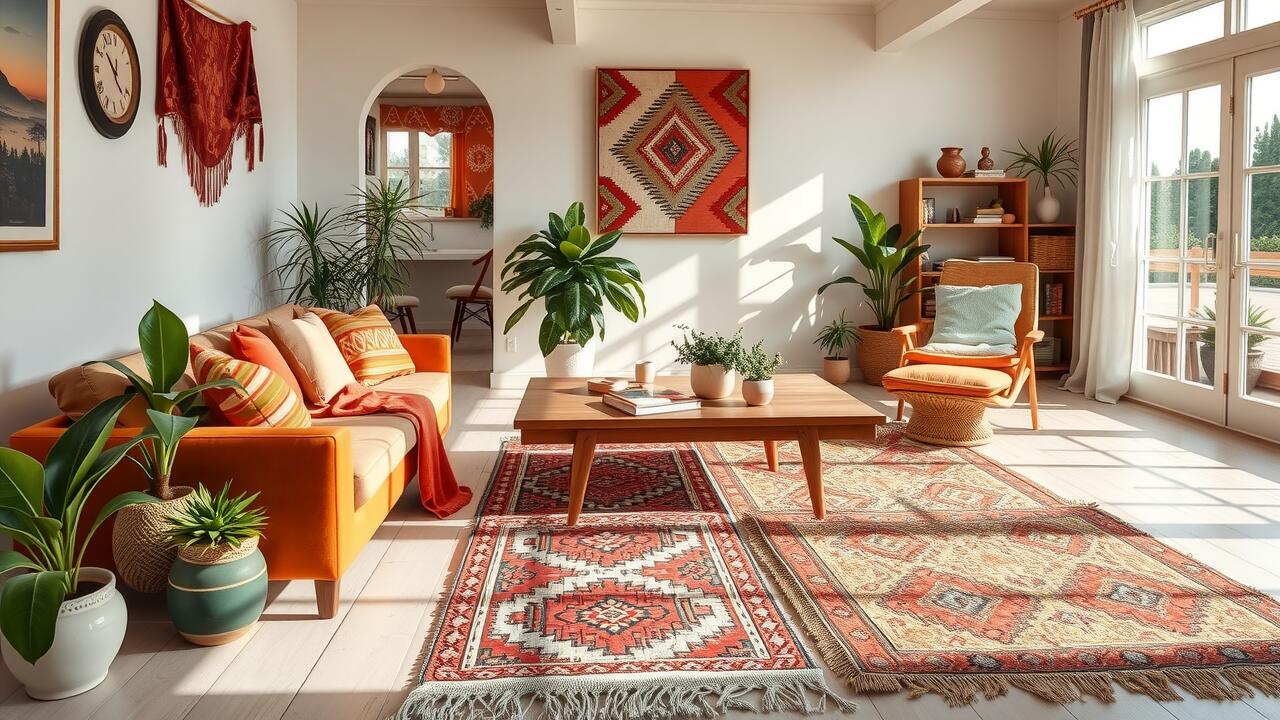
In living rooms, Moroccan rugs serve as striking focal points that add warmth and inviting texture. Their intricate patterns and vibrant colors can enhance a variety of design styles, from bohemian to modern minimalism. Layering rugs can create depth, while placing a rug under a coffee table can define the seating area. These rugs work well with both neutral palettes and bright accents, making them versatile for any décor.
In bedrooms, Moroccan rugs provide a cozy atmosphere and elevate the overall comfort of the space. Positioning a soft rug beside the bed creates a welcoming touch for early mornings. They can also complement upholstered furniture and wooden elements, bringing an organic feel to the decor. Selecting a fluffy pile enhances the tactile experience, inviting bare feet to enjoy their comforting feel.
Ideas for Every Space in Your Home
Moroccan rugs can bring warmth and character to various areas within your home. In the living room, a bold geometric-patterned rug can serve as a stunning focal point, anchoring furniture and defining the space. Place it under a coffee table or in front of a cozy sofa to create an inviting atmosphere. In bedrooms, a soft, plush rug can enhance comfort, providing a warm landing for bare feet while complementing your decor.
Kitchens and dining areas also benefit from the unique flair of Moroccan rugs. Opt for a durable, low-pile rug that can withstand spills and foot traffic while adding texture to the space. Under a dining table, it can visually unify the area and protect flooring. For hallways, a runner showcasing traditional designs adds a pop of color and style while guiding guests through your home.
Authentic vs. Imitation Moroccan Rugs
When purchasing a Moroccan rug, discerning between authentic pieces and imitations is crucial. Genuine rugs often exhibit unique craftsmanship and intricate designs that showcase the artisan's skills and cultural heritage. These rugs are typically handwoven from natural fibers like wool or cotton, contributing to their durability and quality. Authentic pieces can also contain variations in color and pattern, reflecting the personal touch of the weaver.
Conversely, imitation Moroccan rugs are often machine-made or mass-produced, resulting in uniformity and a lack of depth in design. These replicas are commonly crafted from synthetic materials, which may mimic the appearance of natural fibers but fall short in quality and longevity. To ensure you are investing in an authentic piece, look for reputable retailers and inquire about the rug's origin and the techniques used in its creation.
Identifying Quality and Craftsmanship
When evaluating Moroccan rugs, careful attention must be paid to the materials and techniques used in their creation. Authentic rugs typically feature natural fibers such as wool, cotton, or silk. These materials provide durability and a unique texture that synthetic options cannot replicate. The knotting technique used also plays a crucial role in determining quality. Hand-knotted rugs often exhibit intricate patterns and designs, showcasing the skills of the artisans who crafted them.
In addition to materials and technique, examining the overall design and craftsmanship can reveal much about a rug's authenticity. Look for inconsistencies in pattern and color, as genuine Moroccan rugs often reflect their handmade origins. The presence of minor imperfections further highlights the uniqueness of each piece, establishing its authenticity. Labels or certificates of authenticity can provide additional assurance, although a thorough inspection by an expert might be the best way to guarantee the quality of a purchase.
FAQS
What materials are Moroccan rugs typically made from?
Moroccan rugs are often made from natural materials such as wool, cotton, and sometimes silk, which contribute to their durability and comfort.
How can I maintain my Moroccan rug to ensure its longevity?
To maintain your Moroccan rug, regularly vacuum it to remove dust, spot clean stains promptly, and consider professional cleaning every few years to keep it in good condition.
How can I style a Moroccan rug in my home?
Moroccan rugs can be styled in various ways; they can serve as a statement piece in a living room, add warmth to a bedroom, or create a cozy atmosphere in a dining area. Mixing patterns and textures can enhance the aesthetic appeal.
How can I tell if a Moroccan rug is authentic?
Authentic Moroccan rugs often feature unique, handmade designs, irregularities in weaving, and natural dyes. Checking for tags or certificates of authenticity can also help verify quality and craftsmanship.
Are Moroccan rugs suitable for homes with pets?
Yes, Moroccan rugs, especially those made from wool, can be suitable for homes with pets due to their durability. However, it's important to take care of spills and pet hair promptly to maintain their appearance.