Table Of Contents
Evaluating Color Choices
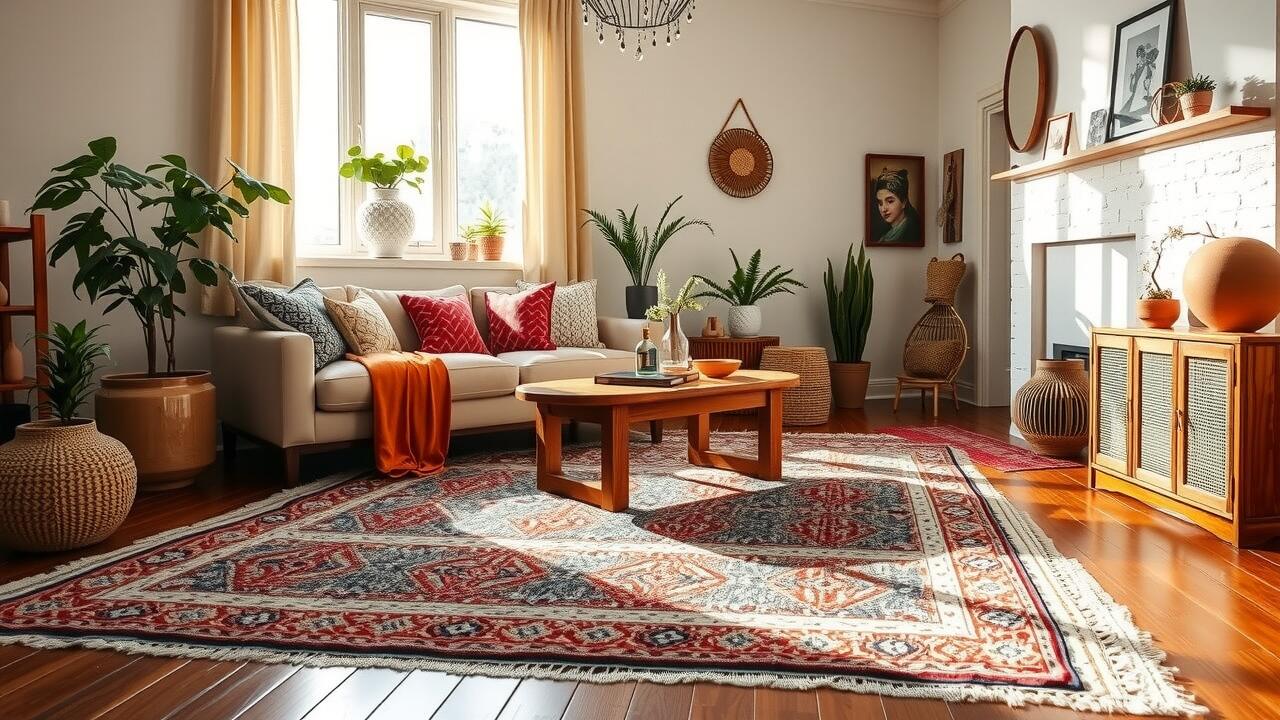
The color palette of a Moroccan rug often provides insight into its authenticity. Genuine rugs typically feature vibrant, rich colors that are achieved through natural dyes. These dyes, derived from sources such as plants and minerals, result in unique shades that may slightly vary from one rug to another. The presence of colorfastness is also a key indicator; authentic rugs will retain their colors over time, showing minimal fading even with exposure to light.
In contrast, machine-made replicas often rely on synthetic dyes that produce overly bright or uniform colors. Such rugs may lack depth and character, making their visual appeal less authentic. By closely examining the hue and saturation, potential buyers can distinguish between genuine artisanal weavings and mass-produced imitations. The irregularities found in handmade pieces contribute to their charm and authenticity, contrasting starkly with the crisp, uniform finish of factory-made alternatives.
Hop over here to discover more.
The Use of Natural Dyes in Authentic Rugs
Authentic Moroccan rugs are often crafted using natural dyes sourced from plants, minerals, and other organic materials. These dyes produce rich, vibrant hues that are both beautiful and distinctive. When inspecting a rug, look for subtle variations in color. Such inconsistencies are a hallmark of natural dyes, which differ slightly with each batch due to their organic origins. In contrast, synthetic dyes tend to create uniform colors, lacking the depth and character found in truly handmade pieces.
The presence of natural dyes can also indicate the skill and traditional methods employed by the artisans. Many Moroccan weavers pass down knowledge through generations, valuing techniques that incorporate local resources. Observing the dyeing process used in creating these rugs can reveal much about their authenticity. This process not only emphasizes the connection to cultural heritage but also contributes to the overall quality and appeal of the finished product.
Investigating Sourcing and Provenance
The origin of a Moroccan rug reveals much about its authenticity. Each region in Morocco boasts its own distinctive styles and techniques, often influenced by local cultures and traditions. Identifying the specific area where a rug was crafted can give valuable insights into its quality and potential value. A rug made in a well-known weaving community is likely to uphold higher craftsmanship standards compared to those produced in less renowned locations.
Understanding the creation process is equally essential. Engaging with local artisans or reputable dealers can provide a deeper insight into the rug's history. Authenticity is often traced through stories of its creation, the materials used, and the weaver's background. Documentation or insights regarding the artisans who produced the rug are crucial to confirming its provenance. Such factors not only enhance the rug's value but also enrich its narrative.
Understanding Where and How the Rug Was Made
Moroccan rugs are traditionally crafted in small villages, where artisans utilize age-old techniques passed down through generations. The location of production can provide insights into the rug's authenticity. Local materials, tools, and practices contribute to the distinct character of each piece. Knowing the specific region can help buyers identify common styles and patterns associated with that area, aiding in discernment between authentic and imitation products.
The process of making a rug also plays a significant role in establishing its authenticity. Genuine artisans often weave their rugs by hand, dedicating substantial time and effort to each creation. Machine-made replicas may look similar but lack the intricate details, variations, and imperfections that characterize handcrafted items. Assessing the craftsmanship and the time invested in creating the rug can reveal much about its authenticity and overall value.
Seeking Certification
Authenticity certificates play a crucial role in the rug-buying process, especially when it comes to Moroccan rugs. These documents provide buyers with assurance regarding the origin and craftsmanship of the piece. They typically include details about the materials used, the production methods, and sometimes even a signature from the artisan. This helps buyers distinguish between genuine handcrafted items and mass-produced alternatives.
When purchasing a Moroccan rug, seek out sellers who offer verifiable certifications. Reputable dealers often collaborate with organizations that assess and authenticate artisanal products. A rug with an authenticity certificate not only confirms its quality but also supports traditional techniques that preserve the rich cultural heritage of Moroccan weaving. Keeping this in mind ensures a more thoughtful and informed purchasing decision.
Importance of Authenticity Certificates
Authenticity certificates play a crucial role in verifying the legitimacy of Moroccan rugs. These documents often provide detailed information about the rug's origin, including the specific region where it was crafted and the technique used in its creation. This transparency not only assures buyers of the rug’s authenticity but also helps confirm that traditional methods and materials were employed in its production.
Additionally, possessing an authenticity certificate can enhance the rug's resale value. Collectors and buyers tend to seek rugs that come with verified documentation, making authenticity a critical factor in the market. A rug without this certification may raise suspicions regarding its origins and craftsmanship, potentially diminishing its appeal to discerning buyers.
FAQS
What are the key indicators to determine if a Moroccan rug is authentic?
Key indicators include evaluating the color choices, examining the use of natural dyes, investigating the rug's sourcing and provenance, and seeking authenticity certificates.
Why is the use of natural dyes important in authentic Moroccan rugs?
Natural dyes are a hallmark of traditional Moroccan rug-making, as they produce unique colors and depth that synthetic dyes cannot replicate. Their presence often indicates authenticity.
How can I verify the provenance of a Moroccan rug?
You can verify the provenance by asking for documentation about the rug's origin, understanding where it was made, and learning about the artisans involved in its creation.
What types of certification should I look for when purchasing a Moroccan rug?
Look for authenticity certificates provided by reputable dealers or organizations that confirm the rug's origin, materials used, and traditional crafting techniques.
Are all colorful Moroccan rugs considered authentic?
Not necessarily; while many authentic Moroccan rugs feature vibrant colors, it is essential to evaluate the dye used and the overall craftsmanship to ensure authenticity.